
Telehealth in 2025: Making Therapy Accessible for Busy Families and Individuals
- Eugene Whitten
- Sep 14, 2025
- 4 min read

Telehealth isn’t just a buzzword or a short-term fix anymore. By 2025, it’s transformed how we access and experience therapy, making support more available for busy families and individuals everywhere. Remote options, AI-powered tools, and innovative providers are shaping a future where mental health care fits into your life—not the other way around.
Unprecedented Growth in Behavioral Health Services
The past few years have seen telehealth evolve from a backup plan to a primary, everyday solution for behavioral health. In fact, over 70% of current telehealth appointments focus on therapy and behavioral health services. This is huge, since talk therapy and counseling naturally translate to a video or phone format.
Therapists, counselors, and psychologists have integrated virtual visits into their daily practice, allowing for assessments, check-ins, and even in-depth therapy across digital platforms. At Abundant Life Counseling & Consulting LLC, we’ve seen how this shift opens new doors for anyone seeking confidential, professional help without the traditional hurdles.
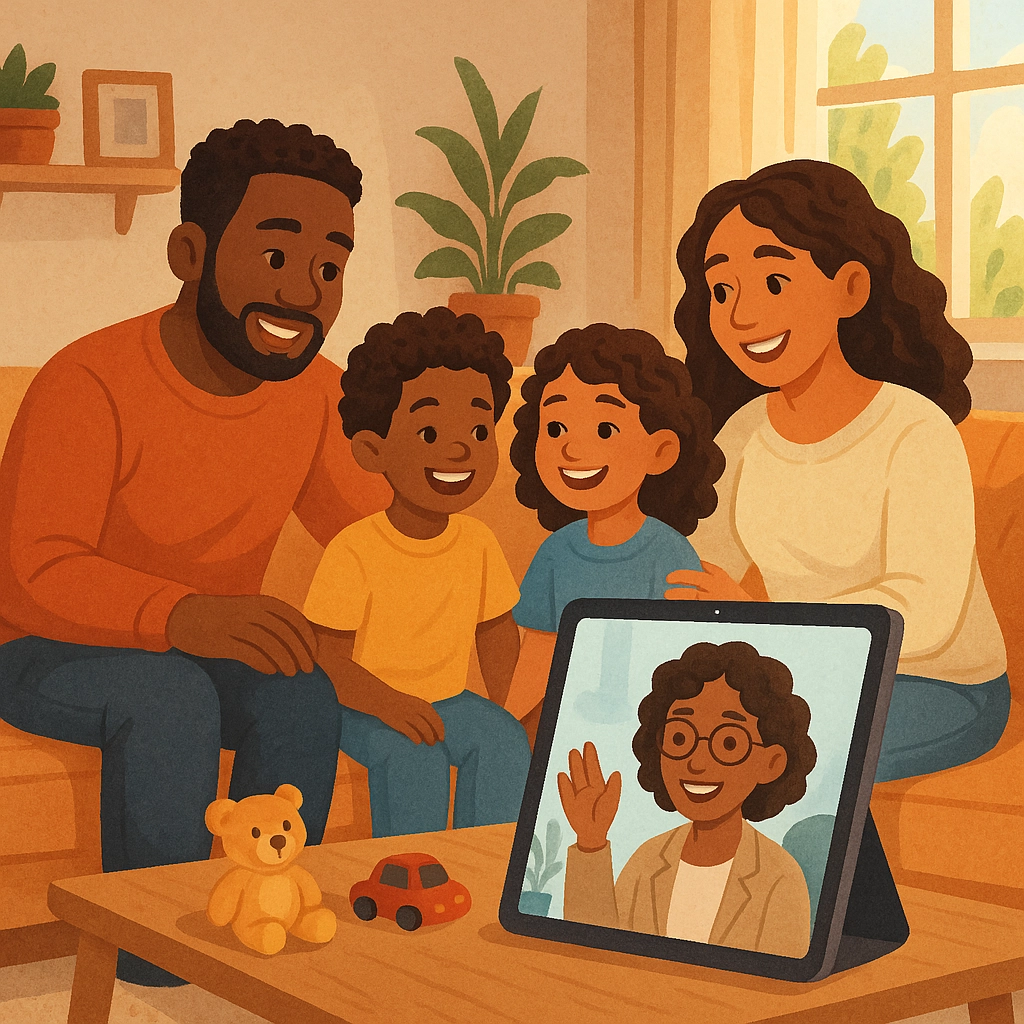
Breaking Down Barriers to Access
Geographical Liberation
Not so long ago, your zip code could make or break your access to quality therapy. Many families had to travel across town—or across entire regions—for the right support. Telehealth has smashed those barriers. Whether you live in a rural area or a busy city, you can connect with the therapist of your choice from wherever you’re comfortable.
Imagine families seeking specialized support like ABA therapy for children with autism. Where services were once limited by location, expert therapists now join video sessions no matter the distance, making regular appointments possible for everyone.
Time and Travel Savings
Carving out time for in-person appointments isn’t easy for modern families or individuals balancing work, school, and countless commitments. By offering sessions from home, telehealth makes therapy as close as your laptop or phone. No traffic jams, no parking headaches, no stress about being late.
This isn’t just about convenience—it’s about well-being. Time saved means less overwhelm, more family time, and one less thing on your already-packed to-do list.
Flexible Scheduling That Fits Real Life
Therapy shouldn’t add stress. Telehealth gives families and individuals the flexibility to schedule sessions around what matters most. Early morning before work? During your lunch break? After the kids are in bed? With access to virtual calendars and tools, you fit therapy sessions in when you actually have the time and mental space to focus.
Missed less often, therapy works better. Consistency improves outcomes, and flexible planning makes all the difference.

Enhanced Family Involvement and Real-Time Coaching
For therapies that work best with whole-family participation, like ABA or family counseling, telehealth brings everyone together—wherever they are. Parents can join from different locations, participate during work breaks, or involve siblings in a way that feels natural.
Real-time coaching over video means your therapist can guide you through practical strategies as you apply them at home. Instead of trying to remember what to do after leaving the office, you get immediate support in your real-life environment. This builds confidence and keeps everyone motivated.
Technology-Driven Improvements for 2025
AI Integration and Efficiency
If you think telehealth is advanced now, 2025 is on a whole new level. Artificial Intelligence (AI) has streamlined everything from appointment reminders to secure note-keeping, freeing therapists to focus fully on you. AI can even help summarize goals between sessions and highlight important patterns for your provider—making therapy more effective and personalized.
Scheduling, insurance paperwork, and follow-ups? Much of that is now automated, boosting efficiency and letting everyone focus on doing the real work together.
Diagnostic Support
AI doesn’t diagnose on its own, but it can help therapists spot patterns in client feedback and session notes, making it easier to track mood changes, progress, and warning flags. That means you get faster, more accurate support—especially if you or your family have complex needs.

Expanding Professional Opportunities
Telehealth isn’t just reshaping how therapy is delivered—it’s changing who can access it and who can provide it. More therapists and counselors are now able to see clients across state lines (where regulations allow), and specialties like speech-language pathology or dietetic counseling have gone virtual, too.
This wider talent pool gives families and individuals more choices, matching specific needs with just the right provider, no matter where either of you happen to be.

Cost-Effectiveness and Sustainability
Let’s talk about the bottom line. Telehealth eliminates costs like travel, gas, parking, and time off work or school. Practices can often pass savings along through reduced session fees or sliding-scale options, making professional support more accessible for all.
No more paying for missed appointments because of traffic delays or last-minute calendar changes—virtual platforms make rescheduling easier and more flexible. And since telehealth helps keep care consistent, families and individuals typically see better progress over time, supporting long-term wellness and balance.
The Future Is Here: Better Access, Better Living
Telehealth in 2025 is much more than video chats—it’s a thoughtful blend of tech, expertise, and empathy designed with you in mind. Whether you’re a parent balancing work and home-school schedules, a professional with a packed calendar, or anyone ready to focus on your mental health, telehealth means help is a click away.
Ready to experience the convenience, flexibility, and dedicated care of virtual therapy? Abundant Life Counseling & Consulting LLC can help. Get started with our secure online platform here: https://abundantlife.clientsecure.me
—



Comments