
Prayer vs. Meditation: Which Is Better for Your Mental Health?
- Eugene Whitten
- Nov 18, 2025
- 5 min read

If you've been struggling with stress, anxiety, or depression, you've probably heard people recommend both prayer and meditation. But which one actually works better for your mental health? The short answer might surprise you – both have incredible benefits, but they work in different ways.
Let's break down what science tells us about these two powerful practices and help you figure out which one (or both) might be right for you.
What's the Real Difference?
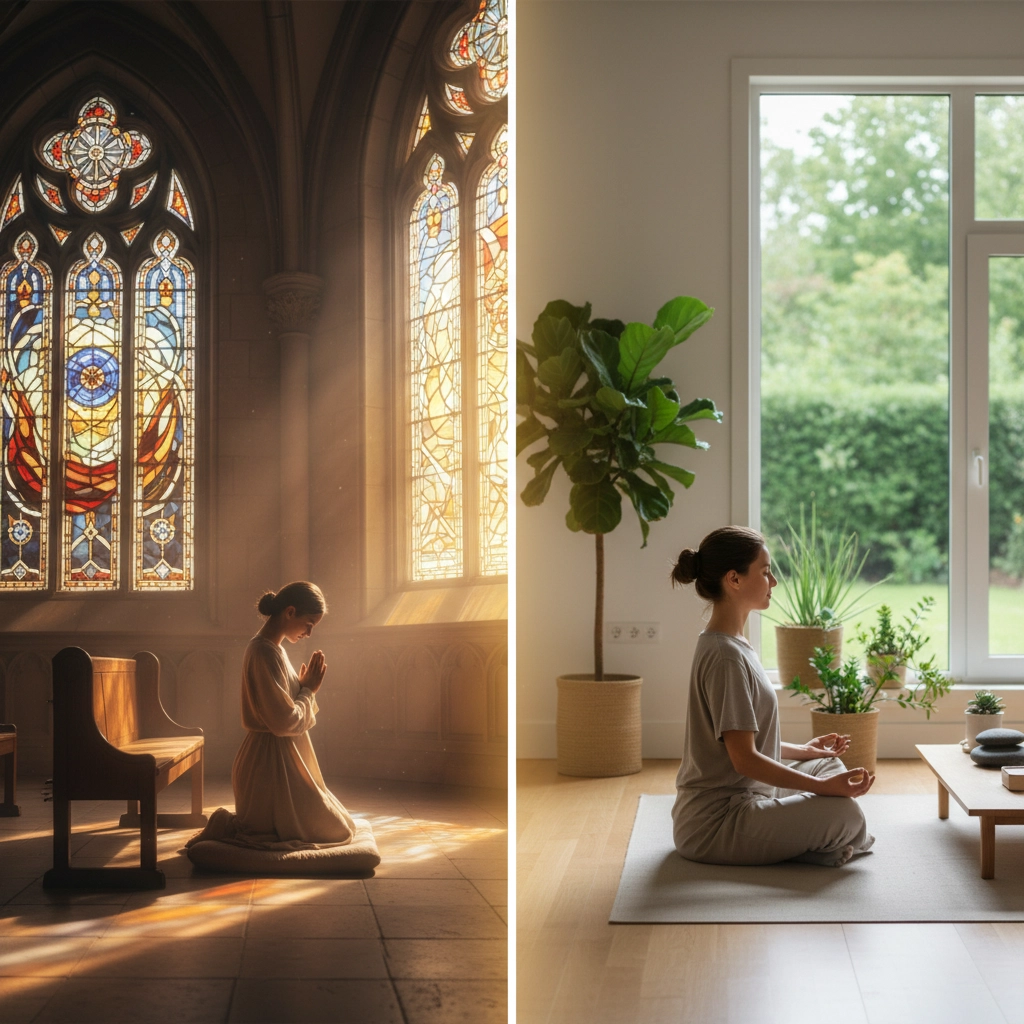
Before we dive into the benefits, let's get clear on what we're talking about. Prayer typically involves connecting with a higher power – whether that's God, the universe, or whatever you believe in. It's about expressing gratitude, asking for guidance, or simply having a conversation with something bigger than yourself.
Meditation, on the other hand, is more about turning inward. It's focused on awareness, mindfulness, and being present in the moment. You don't need to believe in anything specific – just your ability to pay attention to your thoughts and feelings.
The Mental Health Benefits of Prayer
Prayer packs a serious punch when it comes to mental health benefits. Research shows that people who pray regularly experience significant reductions in anger, aggression, depression, and anxiety. But it goes way beyond just feeling calmer.
Emotional Regulation Prayer provides what researchers call an "outlet for releasing anger and easing stress, grief, and fear." When you're overwhelmed, prayer gives you a safe space to express those heavy emotions without judgment. It's like having a conversation with the most understanding friend imaginable.
Better Relationships Here's something interesting – prayer actually improves your relationships with other people. Studies show that people who pray regularly are better at forgiveness and have higher-quality relationships overall. Maybe it's because prayer helps you see the bigger picture, or maybe it teaches you patience. Either way, it works.
Sense of Purpose Prayer connects you to something larger than your daily problems. This connection provides what researchers call a "sense of purpose in the world." When you're dealing with depression or anxiety, this bigger perspective can be life-changing.
Community Support If you pray as part of a religious community, you get an extra bonus – social support. Having people who share your beliefs and care about your well-being is incredibly powerful for mental health.

The Mental Health Benefits of Meditation
Meditation brings its own set of impressive benefits to the table. The research here is extensive, and the results are consistently positive across different types of people and situations.
Stress Reduction Meditation literally changes your stress response at a biological level. It reduces cortisol (your main stress hormone) and helps your nervous system learn how to relax. This isn't just feeling better in the moment – it's actually rewiring your brain to handle stress more effectively.
Enhanced Focus and Memory One of meditation's strongest benefits is cognitive improvement. Regular meditators show improvements in memory, focus, processing speed, and attention span. This happens at any age, so whether you're 25 or 75, your brain can get sharper.
Emotional Awareness Meditation teaches you to notice your emotions without being overwhelmed by them. Instead of anxiety hitting you like a freight train, you start to see it coming and can choose how to respond. This kind of emotional regulation is incredibly valuable for mental health.
Better Sleep Many people find that meditation improves their sleep quality. When your mind learns to quiet down during meditation, it often carries over into bedtime, making it easier to fall asleep and stay asleep.

Head-to-Head Comparison
So how do they stack up against each other? Let's look at the key differences:
Belief Requirements Prayer usually requires some kind of faith or spiritual belief system. Meditation doesn't – you can be completely secular and still get all the benefits.
Social vs. Individual Prayer often has a community component, especially if you're part of a religious group. Meditation is typically more individual, though group meditation exists too.
Focus Direction Prayer focuses outward – toward God, the universe, or your higher power. Meditation focuses inward – toward your own mind, breath, and present-moment awareness.
Stress Relief Approach Prayer provides comfort through connection with something greater. Meditation provides calm through awareness and acceptance of what's happening right now.
Cognitive Benefits Both improve focus, but meditation seems to have stronger effects on memory and processing speed. Prayer is better for problem-solving and gaining insight into life decisions.
Can They Work Together?
Here's where it gets really interesting – you don't have to choose. Many people find that combining prayer and meditation creates an even more powerful practice.
Think about it: meditation can make your prayers more focused and heartfelt, while prayer can give your meditation practice deeper meaning and purpose. Some people start with a few minutes of meditation to quiet their mind, then transition into prayer. Others pray first to center themselves spiritually, then meditate.
Research actually supports this combination approach. Studies show that people who incorporate both practices often experience greater spiritual satisfaction and mental health benefits than those who stick to just one.

Which Should You Choose?
The honest answer is: the one you'll actually do consistently. Both prayer and meditation require regular practice to be effective. Here's how to decide:
Choose Prayer If:
You have religious or spiritual beliefs
You want community support
You're looking for guidance and wisdom
You need comfort during difficult times
You want to improve your relationships
Choose Meditation If:
You want to improve focus and memory
You prefer a secular approach
You're dealing with racing thoughts
You want better emotional regulation
You're curious about mindfulness
Choose Both If:
You want comprehensive mental health support
You have the time for multiple practices
You're open to different approaches
You want both spiritual connection and mental clarity
Getting Started
If you decide to try prayer, start simple. Set aside 5-10 minutes daily to talk to your higher power about whatever's on your mind. Express gratitude, ask for help, or just share your feelings. There's no wrong way to do it.
For meditation, begin with just 5 minutes of focusing on your breath. Sit comfortably, close your eyes, and pay attention to breathing in and out. When your mind wanders (and it will), gently bring your attention back to your breath.
The most important thing is consistency. Whether you choose prayer, meditation, or both, try to practice at the same time each day. Your mental health will thank you for it.
Remember, these aren't just feel-good activities – they're evidence-based practices that can genuinely improve your mental health. The question isn't really which one is "better," but which one resonates with you enough that you'll stick with it.
At Abundant Life Counseling & Consulting, we understand that mental health isn't one-size-fits-all. Whether your path includes prayer, meditation, therapy, or a combination of approaches, we're here to support you in finding what works best for your unique situation.


Comments